April 24, 2026
A roof is a critical part of any home because it protects everything underneath it from weather and structural damage. Over time, every roofing system begins to show signs of wear due to exposure to sun, rain, wind, and seasonal temperature changes. Homeowners are often faced with the challenge of deciding whether small issues can be repaired or whether a more extensive solution is needed.
This decision is not always simple because damage is not always visible from the ground. Some problems develop slowly beneath the surface and only become noticeable after significant deterioration has occurred. Understanding the difference between temporary fixes and long-term solutions is essential for protecting the home. Careful evaluation helps ensure that choices are both financially and structurally sound.
Assessing Roof Condition Before Making Decisions
The condition of a roof is the most important factor when deciding the next steps for maintenance or improvement. Visible issues such as missing shingles, water stains, or sagging areas often indicate deeper concerns that should not be ignored. However, not all damage can be seen without a detailed inspection of the roofing system. Small leaks may point to larger structural problems that are hidden within the decking or insulation layers.
Homeowners should also pay attention to how frequently issues have appeared over time. A professional inspection can help determine whether roof replacement is necessary based on the severity of the damage. In many cases, a full roof replacement becomes the most practical solution when problems are widespread and recurring.
Comparing Repair Needs and Long-Term Value
Evaluating repair options requires careful comparison between short-term fixes and long-term benefits. Repairs may seem appealing because they often cost less upfront and can address isolated issues quickly. However, repeated repairs can become expensive if problems continue to return in different areas of the roof. It is important to consider whether the underlying cause of the damage has been fully resolved or only temporarily managed.
When damage is extensive or recurring, roof replacement may provide better long-term value and stability. According to WifiTalents, replacement roofing accounts for approximately 94% of residential roofing activity, showing how frequently homeowners choose full system solutions over repeated repairs. This trend highlights the importance of prioritizing durability and long-term performance when making roofing decisions.
Evaluating Age and Material Performance
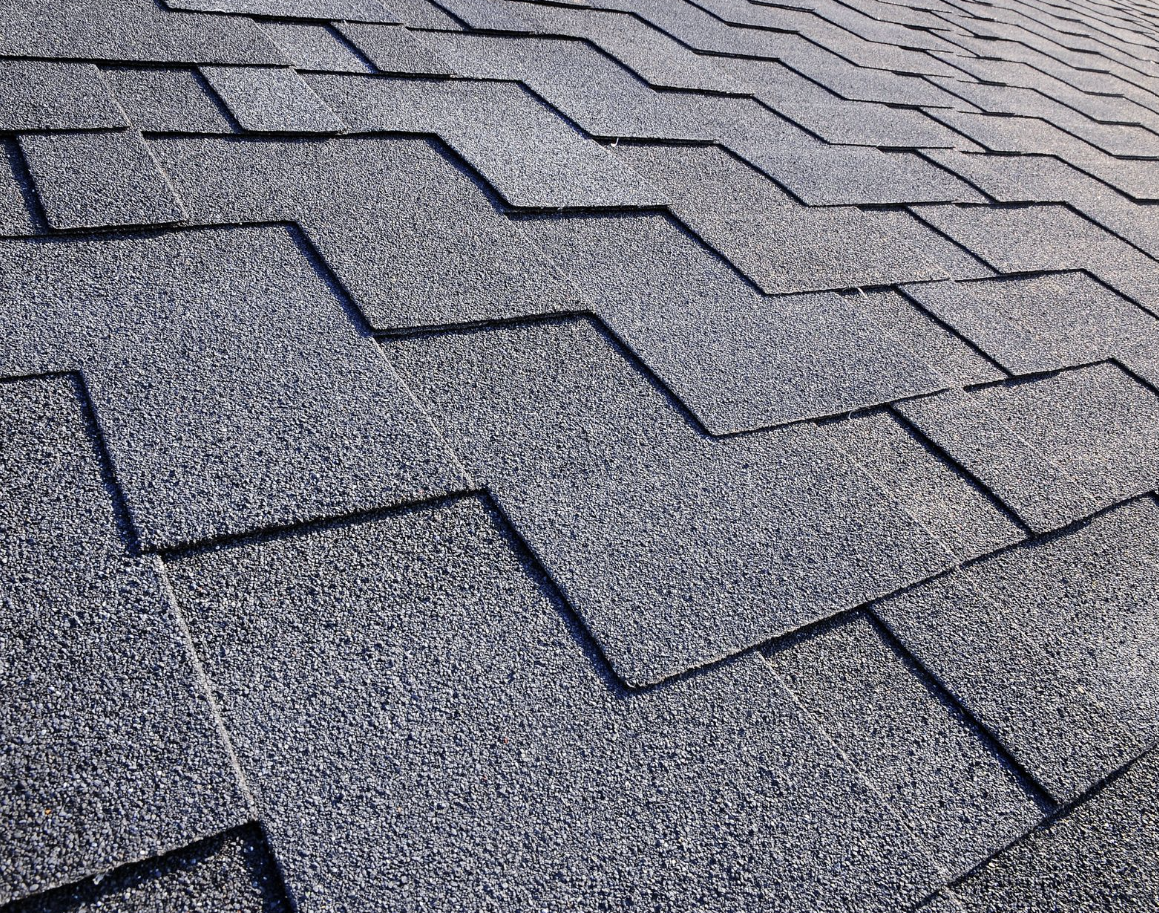
The age of a roof plays a major role in determining whether repairs are still effective or if a full upgrade is needed. Most roofing materials have a limited lifespan that gradually declines with exposure to environmental conditions. Asphalt shingles, for example, may begin to deteriorate after two or three decades depending on maintenance and climate.
As materials age, they lose flexibility and resistance, making them more prone to cracking and leakage. In many situations, roof replacement becomes the most reliable option when the system reaches the end of its functional life. Signs such as curling shingles, granule loss, and frequent leaks often indicate that the structure is no longer performing efficiently. At this stage, continuing with minor repairs may only delay an inevitable replacement decision.
Understanding Cost Differences and Investment Impact
Cost is one of the most influential factors in deciding between repair and full replacement. Repairs generally require less immediate investment, which can make them attractive for homeowners working within a limited budget. However, these costs can accumulate over time if issues continue to reappear or spread to other areas. It is important to evaluate the long-term financial impact rather than focusing only on short-term savings.
Choosing roof replacement can sometimes provide greater value by reducing ongoing maintenance expenses and improving energy efficiency. According to WifiTalents, replacement roofing makes up a significant portion of residential roofing activity, reinforcing the idea that many homeowners eventually choose full upgrades for better long-term results. When viewed as a long-term investment, a complete system upgrade may offer more financial stability than repeated repairs.
Weighing Structural Damage and Safety Concerns
Structural integrity is a critical consideration when determining whether repairs are sufficient or a full solution is needed. Damage that affects the underlying framework of a roof can compromise the entire safety of the home. Issues such as sagging sections, rotting wood, or widespread water infiltration often indicate deeper structural problems.
In these cases, roof replacement may be the only reliable way to restore stability and safety. Minor surface repairs are not always effective when the internal structure has been weakened over time. Ignoring these concerns can lead to more severe damage and higher repair costs in the future. A thorough professional evaluation is essential to identify risks that may not be visible during a basic inspection.
Considering Weather Exposure and Future Risks
Weather conditions have a direct impact on how long a roof can maintain its effectiveness. Strong winds, heavy rainfall, snow accumulation, and temperature fluctuations all contribute to gradual deterioration. Homes located in areas with frequent storms often experience faster wear on roofing materials. Over time, this exposure can weaken even well-maintained systems and increase the likelihood of leaks.
Planning for future weather risks is an important part of deciding whether roof replacement is necessary. Modern roofing materials are designed to provide improved resistance against extreme environmental conditions. In many cases, roof replacement becomes the more practical choice when preparing for continued weather exposure. Choosing stronger materials can help reduce future damage and maintenance needs.
Considering Insurance Coverage and Claim Eligibility
Insurance coverage can play a major role in deciding between repair and full replacement. Many homeowners are unaware that their policy terms may influence what type of roofing work is financially supported. In some cases, insurance providers may cover roof replacement if the damage is caused by storms, hail, or other qualifying events.
However, they may only approve repairs if the damage is considered minor or localized. Understanding the details of a policy helps prevent unexpected out-of-pocket expenses during roofing decisions. It is also important to document damage thoroughly so that claims can be properly evaluated. Consulting both roofing professionals and insurance providers can clarify whether repair or roof replacement is the more practical and financially supported option.
Making Final Choice and Professional Guidance
The final decision between repair and replacement should be based on a combination of condition, cost, age, and safety considerations. Homeowners should carefully weigh all factors before deciding on the best course of action. In situations where damage is widespread or recurring, roof replacement often provides the most reliable long-term solution. Professional guidance is extremely valuable during this stage because experts can identify hidden issues that may not be obvious to the homeowner.
A detailed inspection helps ensure that decisions are based on accurate information rather than assumptions. Clear communication with roofing specialists allows for better planning and realistic expectations. Ultimately, the right choice helps ensure long-term protection, efficiency, and structural stability.
Altieri and Sons Roofing is committed to helping homeowners make confident and informed roofing decisions. Our team provides thorough inspections, honest evaluations, and dependable service tailored to each property’s needs. Whether you are dealing with minor damage or considering a full upgrade, they can guide you through every step of the process.
Understanding when repairs are enough and when a full solution is required can save both time and money. Our experience ensures that every recommendation is based on long-term performance and safety. Homeowners can rely on professional insight to avoid unnecessary costs and prevent future damage. Contact Altieri and Sons Roofing today to schedule an inspection and take the first step toward a stronger, more secure home.