July 2, 2026
Understanding the signs of roof damage is crucial for maintaining the integrity of your home. Regular assessments can help you identify early warning signs and avoid costly repairs. This article provides a comprehensive guide to recognizing when your roof requires attention. By familiarizing yourself with these signs, you can ensure that you act swiftly, thus prolonging the lifespan of your roof. Let's delve into the common indicators that suggest your roof may need some attention.
1. Visible Shingle Damage
1.1 Cracked or Missing Shingles
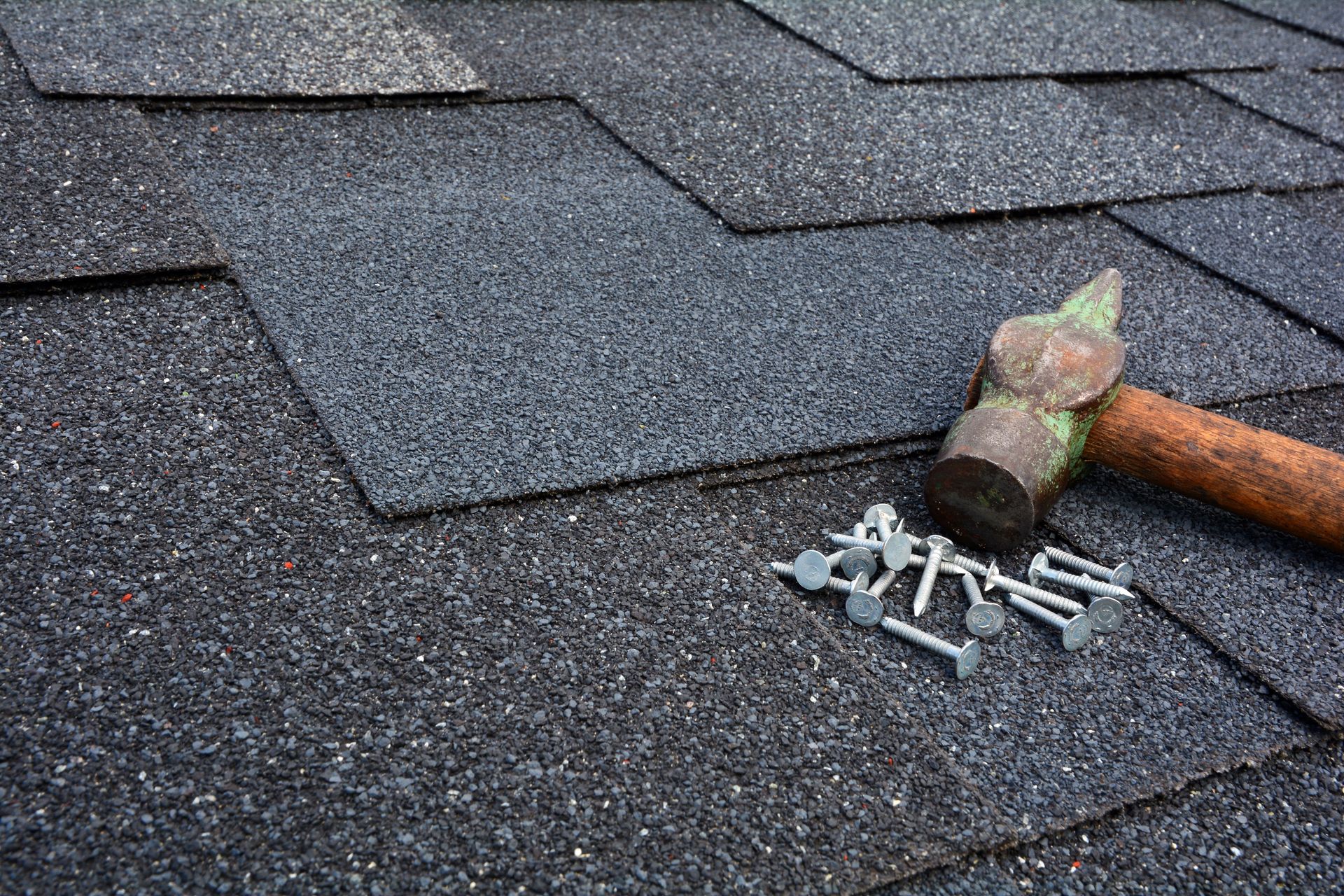
One of the most obvious signs of roof damage is cracked or missing shingles. This issue often arises from exposure to severe weather conditions, such as heavy winds or hail storms. When shingles are compromised, they can no longer protect your roof from moisture infiltration. As a result, the risk of leaks and further damage increases significantly. Regularly inspecting your roof, particularly after a storm, can help you identify broken shingles that need replacement.
1.2 Curling or Buckling
Curling or buckling shingles are common indicators that your roof may be deteriorating. This typically happens as the shingles age or due to improper installation. Curling allows water to seep underneath, potentially causing interior damage over time. Moreover, buckling can compromise the structural integrity of the roofing system. Addressing these issues promptly can safeguard your home from further damage and ensure energy efficiency.
1.3 Bald Spots from Granule Loss
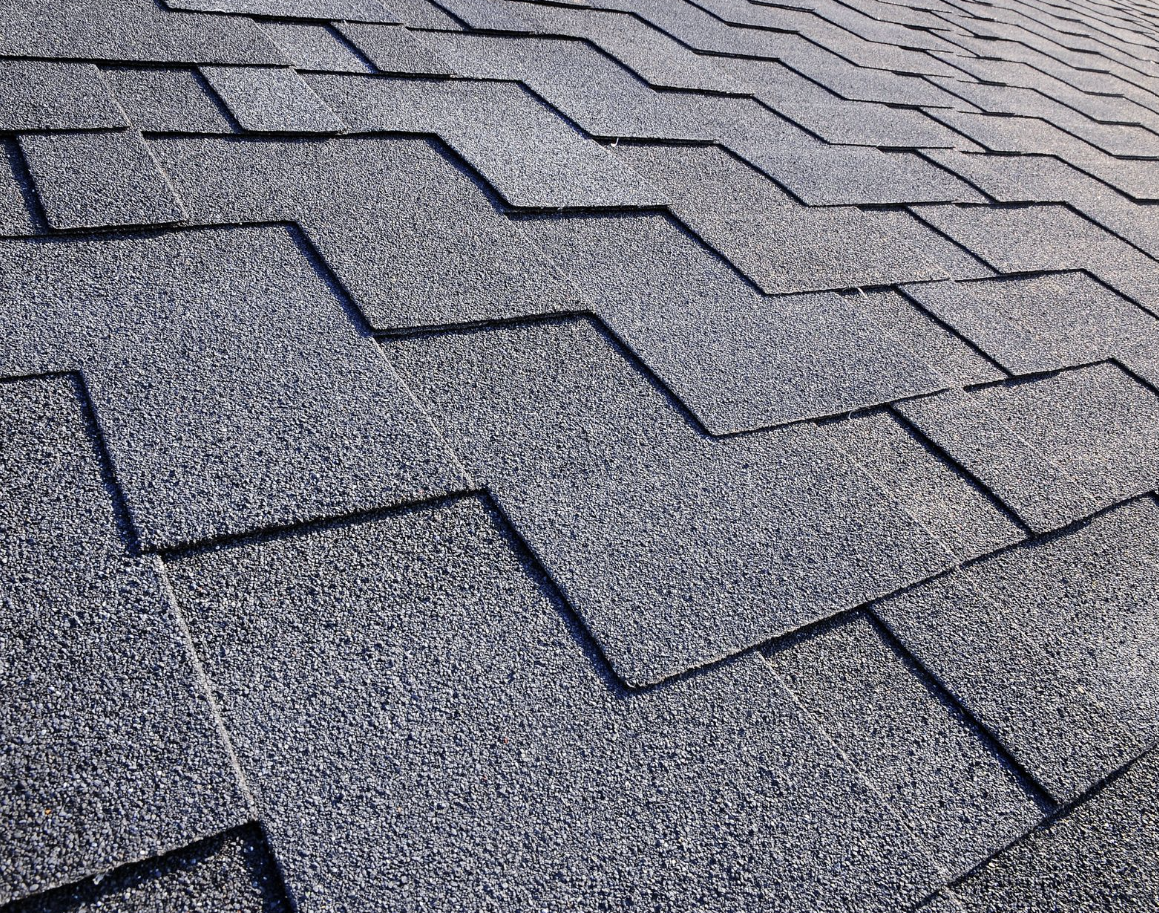
Bald spots on your shingles are caused by granule loss, often a sign of an aging roof. Granules protect shingles from ultraviolet rays and provide fire resistance. As shingles age and granules wear away, the underlying asphalt becomes vulnerable to the elements, accelerating wear. Regular maintenance and roof inspections can help identify this issue early, allowing you to take corrective measures. Consistently finding granules in your gutter might indicate it's time for a professional roof evaluation.
1.4 Shingles with Decomposed Edges
Shingles with decomposed or frayed edges often signal that a roof may be reaching the end of its lifespan. This condition is typically caused by prolonged exposure to weather elements like rain, wind, and sun. Shingles, over time, lose their ability to repel water and maintain structural integrity. By addressing decomposed shingles, you can avoid leaks and potential water damage. Timely replacement of worn-out shingles ensures that the underlying roof structure remains protected.
1.5 Water Stains on Ceilings
Water stains on your ceilings are an undeniable indicator of a roofing problem. This could be caused by a compromised roof allowing water to seep through. Such leaks might start small but can quickly progress to cause severe structural damage to your home. Regular interior checks can help detect these issues before they exacerbate. Addressing the root cause quickly is crucial to preserving your home's integrity and preventing mold growth.
2. Interior Signs of Roof Problems
2.1 Water Stains on Walls and Ceilings
Water stains on your interior walls or ceilings are a direct consequence of leaks in your roofing system. These stains usually appear as discolored patches or lines, hinting at water damage behind the surface. While water stains may initially seem like a minor inconvenience, they can signify severe underlying issues requiring immediate attention. Left untreated, this moisture can lead to structural damage, necessitating costly repairs. Therefore, it's essential to address the source of the water intrusion promptly to maintain a safe, dry living environment.
2.2 Signs of Mold or Mildew Growth
The presence of mold or mildew inside your home can suggest a roofing problem where moisture is finding its way in. Mold thrives in humid environments, and if your roof is compromised, it might cause damp conditions conducive for mold growth. Mold not only damages your home but poses health risks like allergies and respiratory issues. Regular inspections for mold in vulnerable areas like attics can help you catch any problems early. A proactive approach to roof maintenance can prevent extensive mold infestation and promote healthier indoor air quality.
2.3 Dripping Water or Leaks
Dripping water or visible leaks are among the most worrying signs that your roof needs immediate attention. A leaking roof allows water to damage building materials and may lead to electrical hazards if the water reaches wiring. Such leaks often worsen during heavy rainfall, highlighting weaknesses in the roof's sealing or flashing. Regular checks for water drips, especially after storms, can help you flag issues early. Repairing these leaks promptly can prevent more extensive and costly damage to your home.
2.4 Unexplained Drafts
If you feel unexplained drafts in your home, it could point to compromised roofing or insulation. Drafts often arise from gaps or holes in roofing materials, allowing air to escape. This issue can increase energy costs, as your HVAC system works harder to maintain indoor temperatures. Sealing these gaps enhances energy efficiency and improves indoor comfort. Regular roof inspections are crucial for identifying and addressing areas where air can seep through.
2.5 Peeling Paint
Peeling or blistering paint on your interior walls is often a result of moisture seepage due to roof leaks. As moisture penetrates the walls, it affects the adhesion of paint. This sign is common in areas directly beneath roof leaks, such as the top of walls or ceilings. Treating the affected paint surface without resolving the leak will not fix the underlying issue. Thorough inspection and repair of the roof can prevent recurrence and help maintain your home's aesthetic appeal.
3. Aging Roof
3.1 Understanding Roof Lifespan
According to Roofer's Guild, a typical roof lasts between 25 and 50 years, depending on the material used and maintenance level. However, various other factors, such as environmental conditions and roofing quality, can influence its longevity. It's essential to understand your roof's age and its expected lifespan to anticipate potential repairs. Regular evaluations, especially on older roofs, can help identify areas needing attention. Proactive measures can extend the roof's life, ensuring maximum value from your investment.
3.2 Inspecting Flashing and Seals
Flashing and seals play critical roles in preventing water infiltration at joints and edges of roofing structures. These components can degrade over time, especially under adverse weather conditions. Inspecting flashing and seals for rust, cracks, or dislodgment helps ensure their effectiveness. Regular maintenance can prevent leaks around chimneys, vents, and skylights, common points of water entry. Addressing issues with flashing and seals promptly protects your home and prolongs the roof's functional life.
3.3 Detecting Humidity and Heat Issues
Excessive humidity and heat can signal roofing problems where ventilation is compromised. Poor roof ventilation causes moisture buildup, leading to wood rot or mold growth. Without proper heat dissipation, the attic can become overly warm, affecting indoor comfort and energy efficiency. Regular roof inspections can spot these ventilation issues early, allowing for corrective action. Improving attic ventilation supports roof longevity and promotes a healthier indoor environment.
3.4 Effects of Sunlight Exposure
Sunlight exposure, especially in regions with extreme UV radiation, can degrade roofing materials over time. UV rays cause shingles to crack and lose their protective granules, accelerating roof wear. Observing the conditions of the roof surface for signs of sun damage, such as fading or brittle tiles, is essential. Applying protective sealants can mitigate these effects and enhance roof durability. Regularly evaluating sun-exposed roof sections can help implement timely protective measures.
Regularly checking your roof for these signs can help you act promptly to repair any damage, potentially saving significant costs and ensuring the longevity of your roof. By addressing these problems early, you can protect your home's structure and maintain a safe, secure environment. Understanding and identifying issues before they worsen is crucial to avoiding unnecessary expenses. Implementing the measures discussed can help you manage your roof efficiently. Ensuring your roof remains in peak condition prolongs its lifespan and upholds your home's value. Be sure to reach out to Altieri and Sons Roofing today to learn more about our professional roof repair!