July 30, 2026
Understanding the year-round effects of weather on roofing is critical for maintaining a durable and efficient roof. The different weather conditions experienced throughout the seasons can impact your roof in various ways, often making preventive measures necessary. Many homeowners are unaware of the subtle yet profound impacts weather can have on their roofing structures. By examining these effects closely, property owners can better prepare and protect their investments. This article delves into the diverse influences of weather on roofs, providing insights and advice pertinent to both homeowners and maintenance professionals.
Effects of Sun Exposure on Roofs
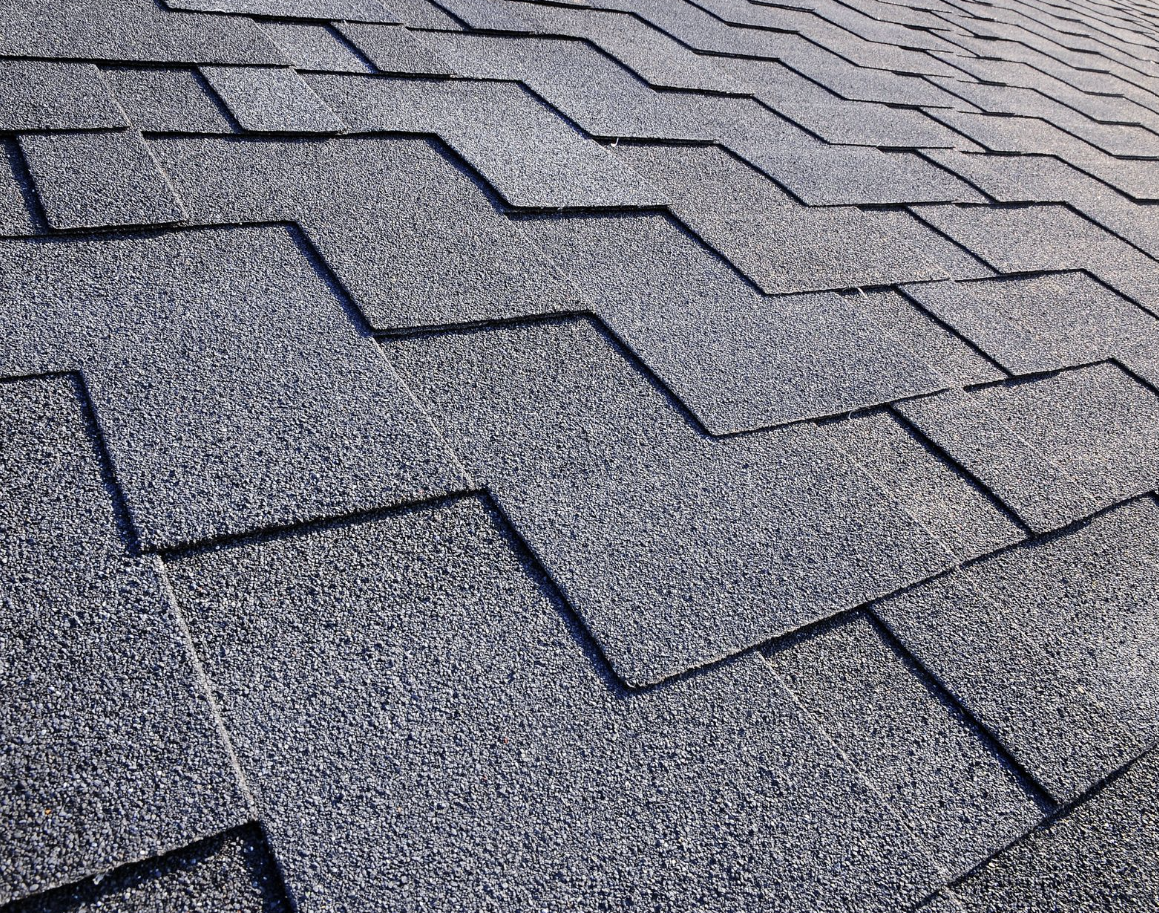
Sun exposure can be one of the most insidious threats to a roof’s longevity. Constant ultraviolet (UV) radiation gradually causes material degradation, especially in asphalt shingles. This degradation can lead to premature aging of the roof and influence overall structural integrity. Thermal expansion and contraction due to sun heat can further exacerbate this, leading to cracks and splits in roofing materials over time. Regular maintenance and inspections can help mitigate these issues, ensuring a longer lifespan for the roof.
Sun exposure can also lead to significant fading and discoloration of roofing materials. While this primarily affects the aesthetic aspect of a roof, it may also indicate deeper material issues. Darker shades tend to absorb more heat, which can lead to higher thermal stress compared to lighter-colored materials. Moreover, this absorption can affect the indoor temperatures of a building, impacting energy efficiency and leading to higher cooling costs in warmer months. Appropriate materials and coatings can reduce these effects, offering both protection and aesthetic longevity.
The prolonged exposure to UV radiation can also compromise the effectiveness of roof insulation. As roofing materials degrade, their capability to insulate the building reduces, leading to inconsistent indoor temperatures. This degradation can indirectly influence the energy efficiency of a home, driving up heating and cooling expenses. Using UV-resistant roofing materials and ensuring proper ventilation can help mitigate such issues. A proactive approach in using innovative roofing solutions pays off in the long run, both financially and structurally.
How Rainfall Impacts Roof Longevity
Rainfall can have a profound effect on the longevity of a roof, as consistent exposure can lead to leaks and dampness if not properly addressed. Over time, water infiltration can weaken roofing materials and potentially compromise the entire structure. The presence of moisture also promotes the growth of mold and algae, which can further deteriorate roofing materials. Gutter and drainage systems play a crucial role in managing rainwater, preventing accumulation on the roof. Without proper drainage, roofs can become susceptible to water damage, leading to costly repairs or replacements.
Moreover, shingles and tiles can face integrity issues when exposed to continuous rainfall. Water can penetrate these materials, causing them to warp, crack, or even detach from the roof structure. This is particularly problematic in regions experiencing heavy rainfall, where roofing systems require enhanced water-resistant measures. Proper installation techniques and quality materials are essential for ensuring that shingles remain durable in such conditions. The role of roof pitch is also paramount, as it influences water runoff efficiency and reduces pooling risks.
Approximately 33% of roofs are replaced each year due to storm damage, accentuating the significant impact of intense rainfall and storm conditions on roofing. Preventive maintenance, including regular inspections and timely repairs, can greatly extend the life of a roof. Effective weatherproofing measures, such as sealants and protective coatings, help to shield the roof against rain-induced damage. Emphasizing quality installation and regular upkeep will not only increase a roof’s lifespan but also protect the property’s value. Investing in advanced roofing technologies and solutions can further protect against the unpredictability of weather conditions.
The Influence of Snow and Ice Accumulation
Snow and ice present unique challenges to roofing structures, particularly in colder climates. The weight of accumulated snow can exert significant structural stress on roofs, potentially leading to sagging or even collapse in extreme cases. This makes it imperative for homeowners in such regions to understand the load-bearing capacity of their roof. Relieving snow build-up timely is crucial, but it must be done safely to prevent damage or accidents. Ice dams, which form when melting snow refreezes at the roof's edge, are another concern that requires preemptive measures and regular inspection.
Ice dams can cause significant harm by blocking the drainage of melting snow, leading to water seeping under shingles. This can result in leaks, water infiltration, and extensive interior damage if left unchecked. Thaw and freeze cycles compound the issue, as the constant expansion and contraction stress roofing materials. Effective roof ventilation and proper insulation are key preventive measures that help manage temperature allowing for a consistent melt pattern, thus reducing ice dam formation. Ensuring these elements are correctly installed can save homeowners from costly damage.
Constantly dealing with moisture due to snow and ice can deteriorate roofing materials if not adequately protected. Specialized coatings and sealants are effective in providing an additional layer of defense against moisture penetration. Regular inspections are vital, particularly during the winter months, to identify areas where roofs may be vulnerable. Protective measures, such as roof heating cables, can help prevent snow accumulation and subsequently reduce ice dam risks. Taking preemptive actions to address snow and ice threats ensures that the roof remains intact and functional throughout the winter.
The Impact of Wind and Storm Conditions
Wind and storms can wreak havoc on roofing systems, with high winds capable of lifting and dislodging shingles, thereby exposing the roof's underlayment. This kind of damage can lead to significant water infiltration during storms, affecting the roof's protective barrier. Storm-related winds can also drive debris against the roof, causing physical damage and potential breaches in the roofing material. Given that 33% of roofs are replaced annually due to storm damage, it underscores the importance of robust roofing solutions and preparedness against storm events. Ensuring that roofing materials are tightly secured and in good condition before storms hit is crucial for minimizing damage.
Water infiltration during storm winds poses a serious risk of internal damage to a building. Once inside, water can compromise insulation, electrical systems, and interior finishes, leading to extensive repair costs. Implementing proper taping and blocking systems can help mitigate the risk of water ingress by sealing vulnerable areas of the roof. Careful attention to detail during installation is paramount, as is a consistent maintenance schedule that addresses any minor issues before they develop into significant problems. Utilizing high-grade sealants and underlayment can be especially effective in guarding against water infiltration.
Weather influences your roof year-round in significant ways which can determine the longevity and performance of your roof. By understanding these effects and implementing proper maintenance and preventive measures, homeowners can extend the life of their roofs and protect their investments effectively. According to RubyHome, approximately 33% of roofs are replaced each year due to storm damage. Adopting a proactive approach towards roofing maintenance and adaptation against weather elements ensures sustained performance and the preservation of property value. As we strive to keep our homes safe and durable, acknowledging and addressing the diverse impacts of weather conditions remains imperative. Through informed decision-making and adequate planning, roofing systems can withstand and thrive in the face of weather challenges, securing homes for future generations. Be sure to reach out to Altieri and Sons Roofing today to learn more about our professional roofers!